Overview
🏆 Expert Verdict & Overview
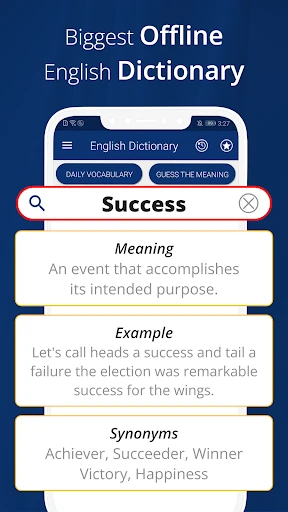
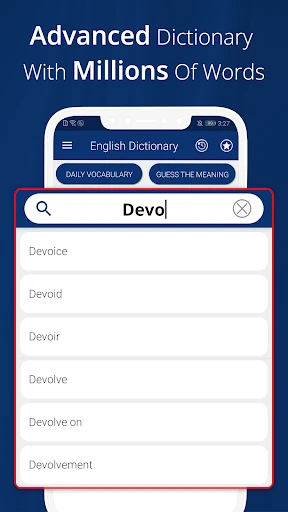
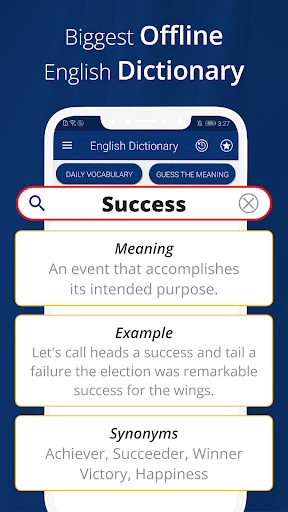
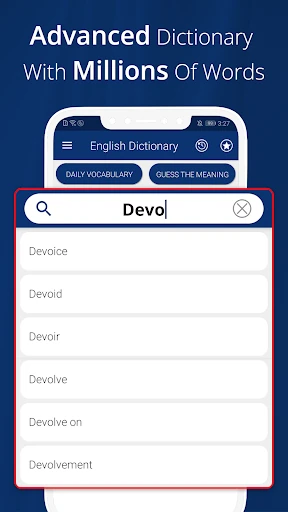
The English Dictionary Offline App represents a robust utility within the mobile Education landscape, specifically designed to bridge the gap for users who require reliable linguistic resources without constant internet connectivity. As a Senior Analyst, I find this app to be more than just a static lexicon; it is a multi-functional tool that integrates voice recognition and translation features into a lightweight package. By prioritizing offline accessibility, it addresses a critical need for students and travelers in connectivity-limited environments, positioning itself as a practical alternative to data-heavy alternatives.
🔍 Key Features Breakdown
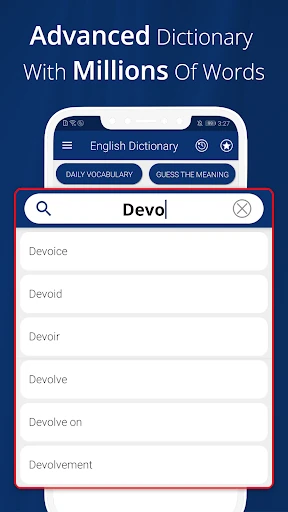
- Fast English Voice Dictionary: This feature solves the friction of manual typing, allowing users to find definitions and pronunciations through vocal input, which is essential for rapid learning and accessibility.
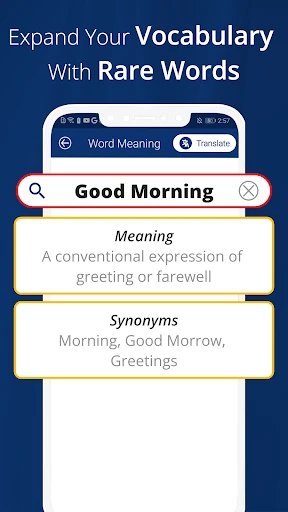
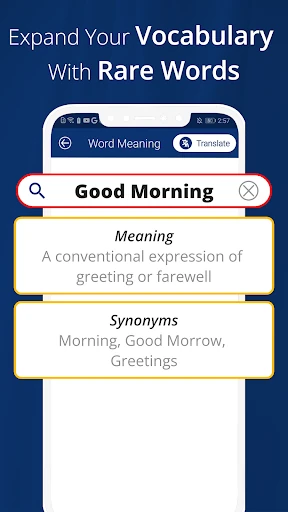
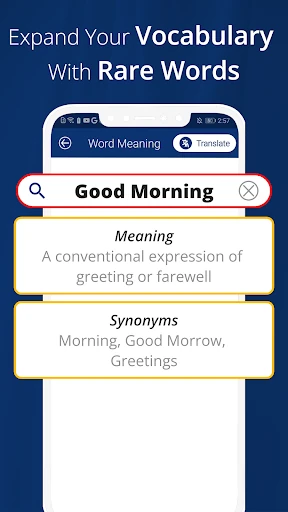
- Offline Thesaurus & Synonyms: By providing a network of related words without requiring a data connection, the app helps users expand their vocabulary and improve the nuance of their communication on the go.
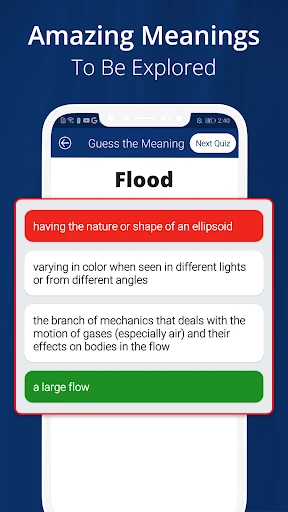
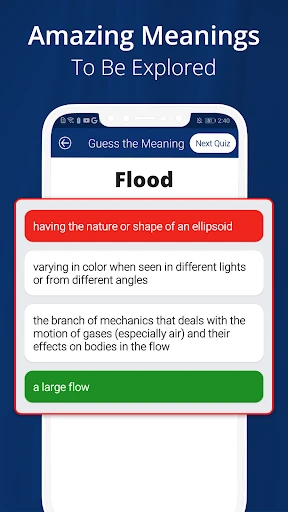
- Guess the Word (Daily Quiz): This gamified element addresses the challenge of retention in language learning, using a question-and-answer format to reinforce new vocabulary through active recall.
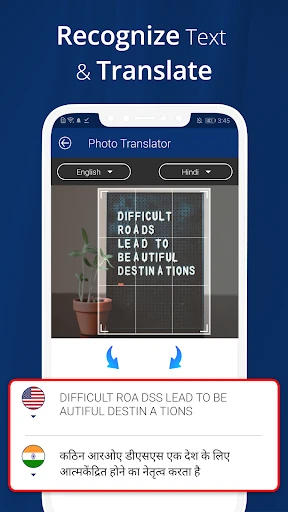
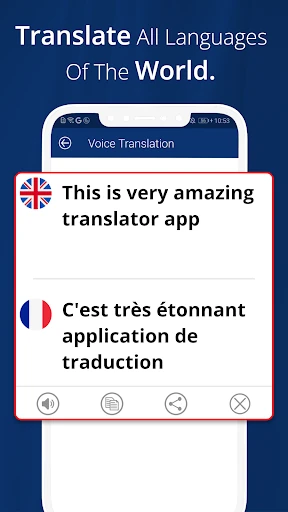
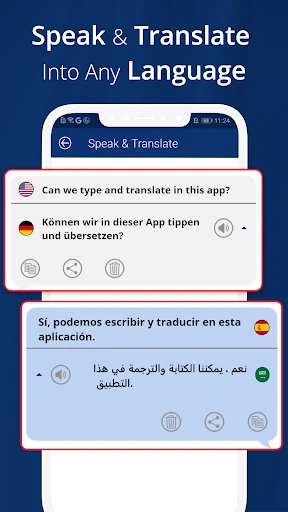
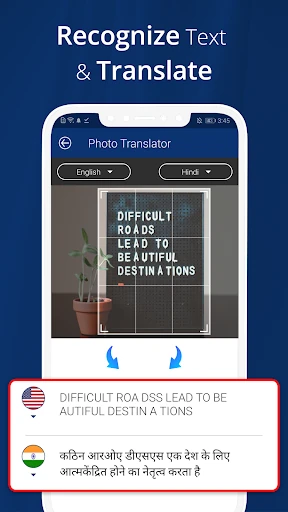
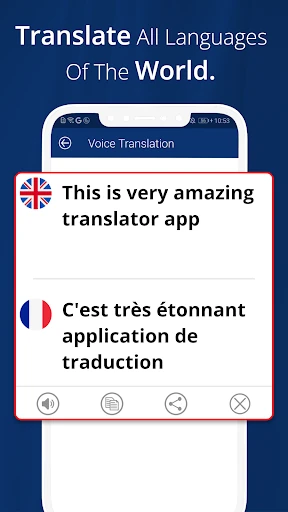
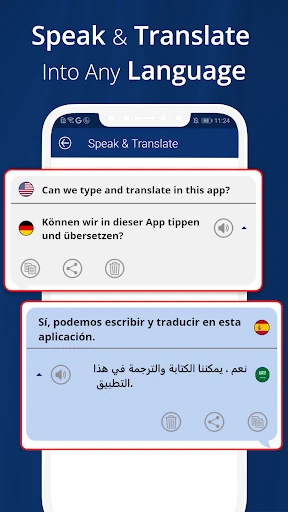
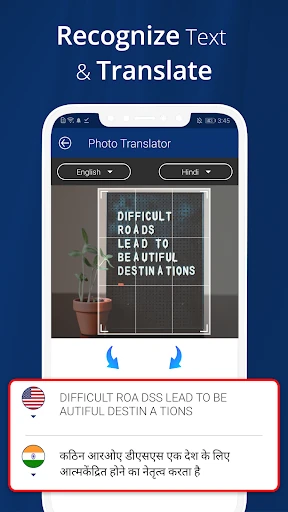
- Multilingual Voice Translator: This module extends the app's utility beyond English definitions, enabling cross-language communication by translating spoken input into numerous global languages including Urdu, Arabic, French, and Spanish.
🎨 User Experience & Design
The user interface is designed with a focus on utility and speed. Given its category, the UX prioritizes low-latency results, which is evident in the "Fast Voice" implementation. The navigation appears straightforward, catering to a wide demographic ranging from academic students to casual learners. By integrating daily notifications for "Word of the Day," the app employs psychological triggers to encourage consistent engagement, a hallmark of effective educational design. However, the visual aesthetic follows a traditional utility-first approach, which ensures clarity at the expense of modern minimalist trends.
⚖️ Pros & Cons Analysis
- ✅ The Good: Complete offline functionality ensures the app remains useful in any geographic location or data-restricted scenario.
- ✅ The Good: The dual-purpose nature of the app (dictionary + translator) provides high value within a single installation.
- ❌ The Bad: The "Free Pro" naming convention can be confusing to users who expect a premium, ad-free experience from the outset.
- ❌ The Bad: Heavy reliance on voice input may face challenges in noisy environments without a robust noise-cancellation algorithm.
🛠️ Room for Improvement
To elevate the app further, the developers should consider implementing a Spaced Repetition System (SRS) for the "Daily Vocabulary" feature to ensure long-term memory retention. Additionally, adding a dark mode for night-time study sessions and providing IPA (International Phonetic Alphabet) transcriptions alongside the audio pronunciations would cater to more advanced academic users.
🏁 Final Conclusion & Recommendation
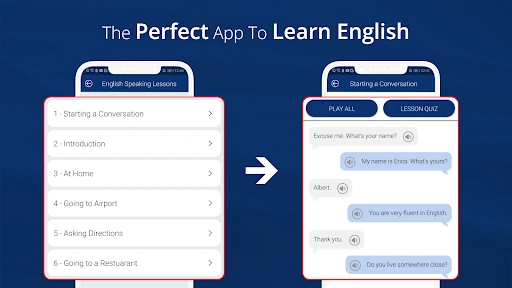
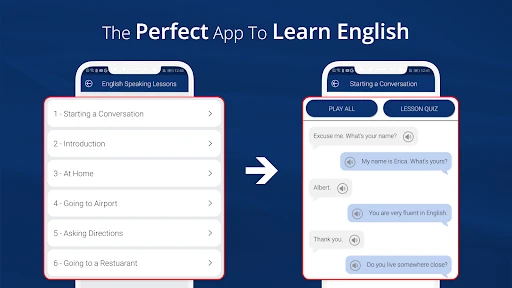
The English Dictionary Offline App is an ideal companion for ESL (English as a Second Language) students, international travelers, and users in regions with unstable internet. It successfully combines a reference tool with interactive learning elements. I recommend this app for anyone seeking a comprehensive, no-cost linguistic assistant that values speed and offline reliability over flashy design. It is a solid, functional entry in the Education category.
Screenshots